
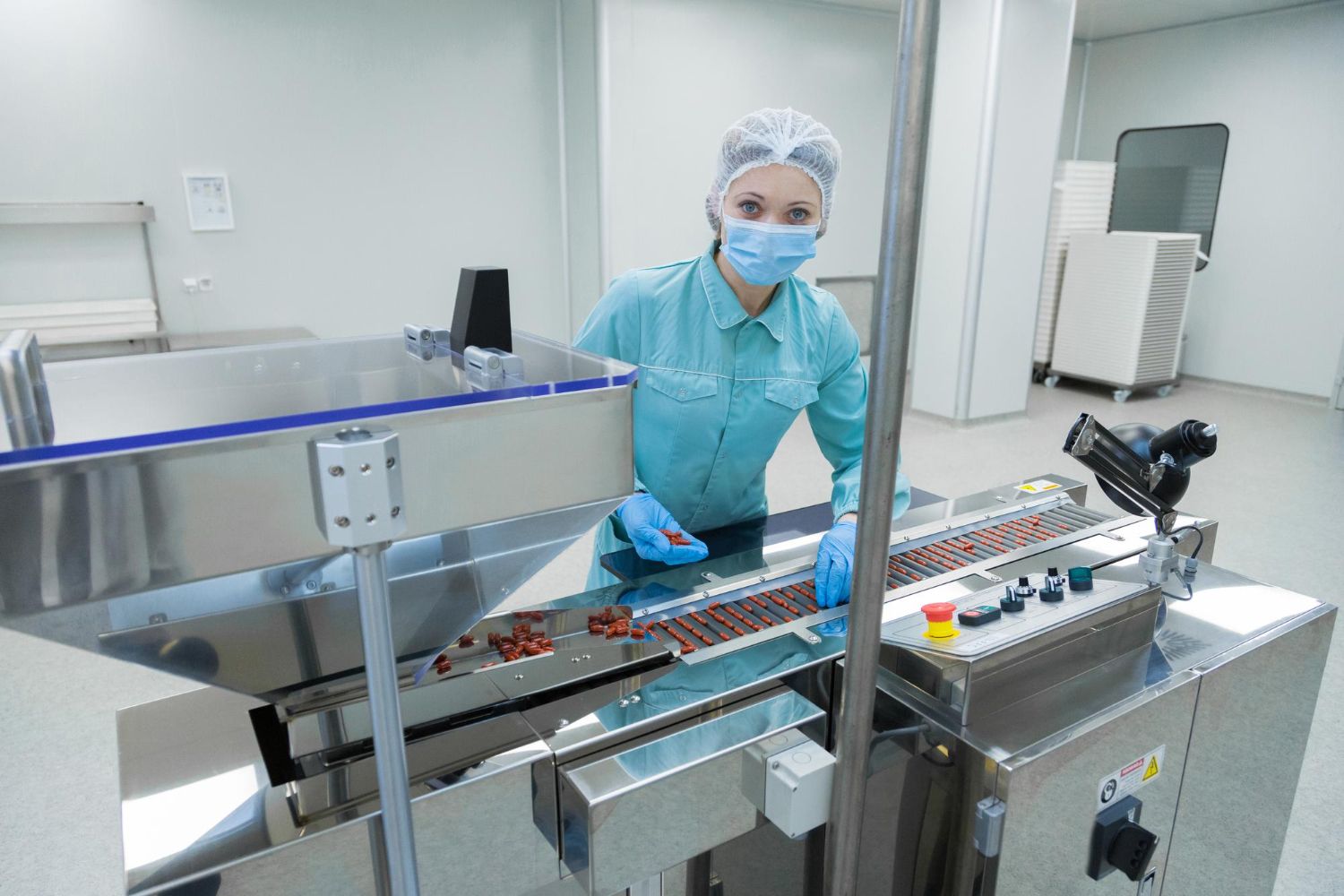
In modern food manufacturing, speed, hygiene, and consistency matter more than ever. From raw ingredient handling to final packaging, production lines must move smoothly without compromising safety. This is where a Food Conveyor Belt becomes essential. Designed specifically for food-grade environments, these systems help manufacturers improve efficiency while meeting strict hygiene standards.
As consumer demand grows and regulations tighten, food businesses are investing in smarter automation. Understanding how the right Food Conveyor Belt supports productivity, cleanliness, and scalability is key for decision-makers at the awareness stage. This guide explains the value, uses, and best practices behind today’s trusted conveyor solutions.
Why a Food Conveyor Belt Is Essential in Modern Processing
A Food Conveyor Belt plays a central role in moving products safely through each production stage. Unlike general industrial conveyors, these systems are engineered to handle food items without contamination or damage.
In bakeries, conveyors transport dough gently to avoid shape distortion. In meat and dairy plants, they reduce human contact, lowering hygiene risks. A well-designed Food Conveyor Belt also supports consistent product flow, which helps maintain quality and portion control.
Manufacturers benefit from reduced manual handling, faster throughput, and fewer production bottlenecks. Over time, this leads to lower labour costs and improved operational reliability. For growing food brands, conveyor systems are no longer optional—they are a foundation for scale.
Key Benefits of a Food Conveyor Belt for Efficiency and Safety
Choosing the right Food Conveyor Belt delivers measurable advantages across food production lines. Efficiency gains are often immediate, especially when replacing manual processes.
One major benefit is improved hygiene. Food-grade belts are easy to clean and designed to resist bacterial build-up. This helps manufacturers comply with food safety regulations while protecting brand reputation.
Another advantage is product consistency. A Food Conveyor Belt ensures uniform movement, reducing spillage and damage. Sensors and automation can be added to control speed, spacing, and alignment, which is critical in packaging and inspection stages.
Energy efficiency is also improving. Modern conveyor designs use low-friction materials and smart motors to reduce power consumption. This makes a Food Conveyor Belt not only effective but also cost-efficient in the long term.
Choosing the Right Food Industry Conveyor Belts for Your Line
Not all food industry conveyor belts are the same. Selecting the right system depends on product type, environment, and production goals.
For example, wet or frozen foods require belts that resist moisture and temperature changes. Dry goods like cereals or snacks may need lightweight belts with high-speed capability. Understanding these differences ensures food industry conveyor belts perform reliably without frequent maintenance.
Hygiene is another key factor. Smooth surfaces, minimal joints, and easy-access cleaning zones help reduce contamination risks. Many food industry conveyor belts are designed to meet international food safety standards, making audits and inspections easier.
Working with experienced suppliers allows manufacturers to customise belt width, speed, and layout. This ensures the conveyor integrates seamlessly into existing lines while supporting future expansion.
How Food Conveyor Systems Improve Workflow and Automation
Modern Food Conveyor Systems go beyond simple transport. They are part of a connected production ecosystem that improves workflow and automation.
By linking mixers, ovens, coolers, and packaging machines, Food Conveyor Systems reduce idle time between processes. This creates a continuous flow that increases output without sacrificing quality.
Automation features such as sensors, sorters, and check-weighers can be integrated into Food Conveyor Systems. These tools detect defects, control portion sizes, and ensure compliance before products reach the market.
Scalability is another major advantage. Modular Food Conveyor Systems allow manufacturers to add new sections or reconfigure layouts as demand changes. This flexibility supports growth without major downtime or infrastructure changes.
The Role of Stainless Steel Food Conveyors in Hygiene Standards
When hygiene is non-negotiable, Stainless Steel Food Conveyors are often the preferred choice. Stainless steel resists corrosion, bacteria, and chemical damage, making it ideal for food environments.
These conveyors are commonly used in meat, poultry, seafood, and dairy processing. Stainless Steel Food Conveyors withstand frequent washdowns and harsh cleaning agents without degrading over time.
Their smooth, non-porous surfaces help prevent contamination and make cleaning faster. For manufacturers operating under strict regulations, Stainless Steel Food Conveyors provide peace of mind and long-term durability.
In addition, stainless steel frames offer structural strength. This ensures stability even under heavy loads or continuous operation, supporting reliable performance across demanding production schedules.
Best Practices for Implementing a Food Conveyor Belt Successfully
Implementing a Food Conveyor Belt requires planning beyond installation. Success starts with a clear understanding of production needs and future goals.
First, assess your product flow. Identify bottlenecks and areas where manual handling increases risk. A properly placed Food Conveyor Belt should solve specific problems, not just add automation.
Second, prioritise hygiene and maintenance. Choose designs that allow easy access for cleaning and inspection. Regular maintenance schedules extend the lifespan of your Food Conveyor Belt and prevent costly downtime.
Finally, train staff effectively. Operators should understand how to use, clean, and monitor the system. When teams are confident with the equipment, the Food Conveyor Belt becomes a reliable asset rather than a complexity.
FAQs
What is a Food Conveyor Belt used for in manufacturing?
A Food Conveyor Belt moves food products safely between processing stages while maintaining hygiene, consistency, and efficiency.
How do food industry conveyor belts support food safety?
Food industry conveyor belts are designed with food-grade materials that are easy to clean and reduce contamination risks.
Are Food Conveyor Systems suitable for small manufacturers?
Yes, Food Conveyor Systems can be modular and scaled to suit both small operations and large production facilities.
Why choose Stainless Steel Food Conveyors?
Stainless Steel Food Conveyors offer superior hygiene, corrosion resistance, and durability for demanding food environments.
How long does a Food Conveyor Belt typically last?
With proper maintenance, a Food Conveyor Belt can operate reliably for many years, even in high-volume production lines.